Address: South Tripura
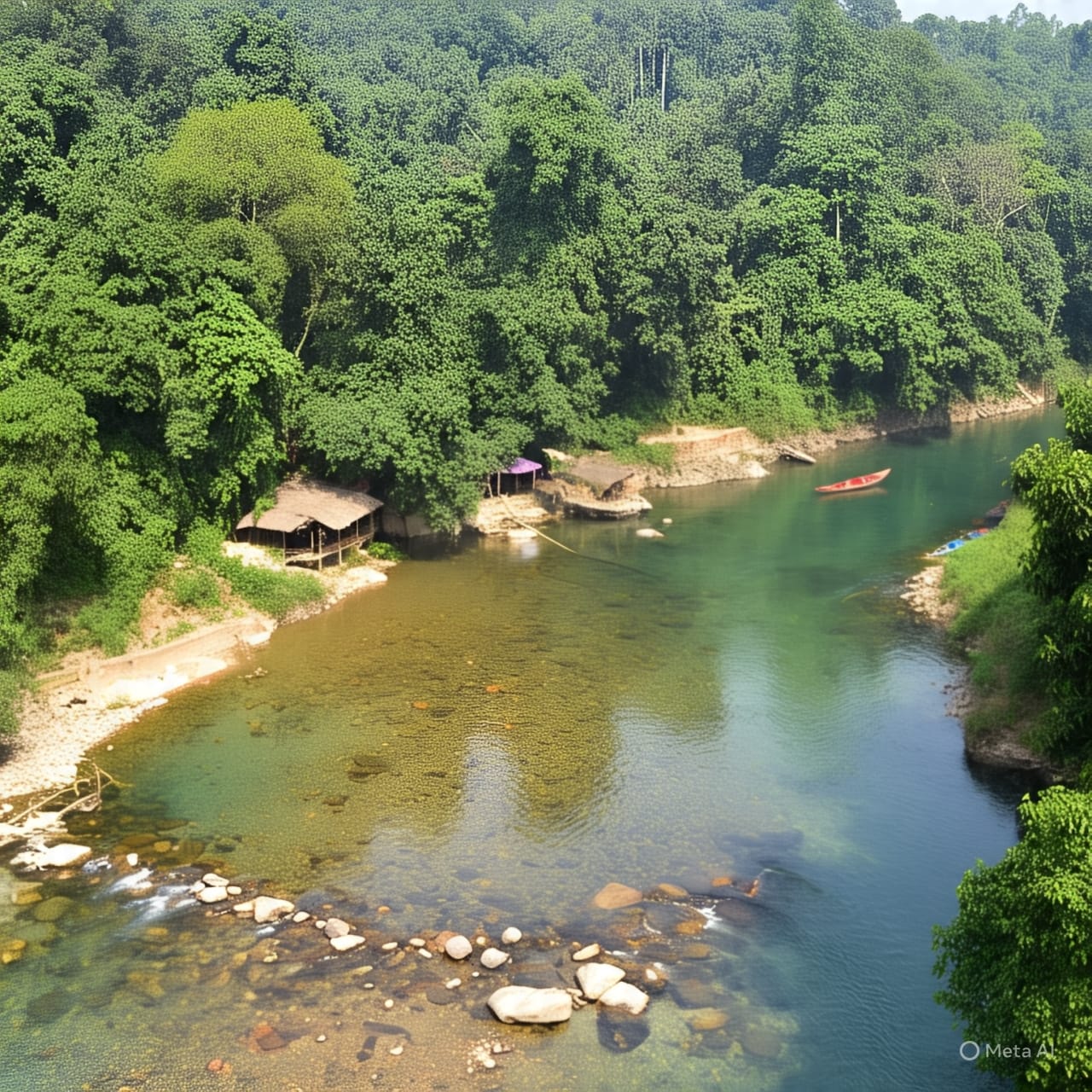
The freshwater biodiversity of India’s rivers, particularly in the northeastern state of Tripura, has been under severe threat due to pollution, overfishing, and the absence of sustainable conservation practices. In the Muhuri River, once a thriving habitat for diverse fish species like the pabda and Ombok padma, fish populations have dramatically declined. Despite fishing being the primary livelihood for many in the region, communities were forced into indiscriminate fishing practices—including during breeding seasons—due to lack of awareness and economic necessity. Additionally, the introduction of exotic fish species, coupled with river pollution from industrial and domestic sources, has disrupted the ecological balance. The extinction of several native species from rivers across Tripura underscored the urgent need for an integrated approach to conserve riverine fish populations and ensure sustainable livelihoods.
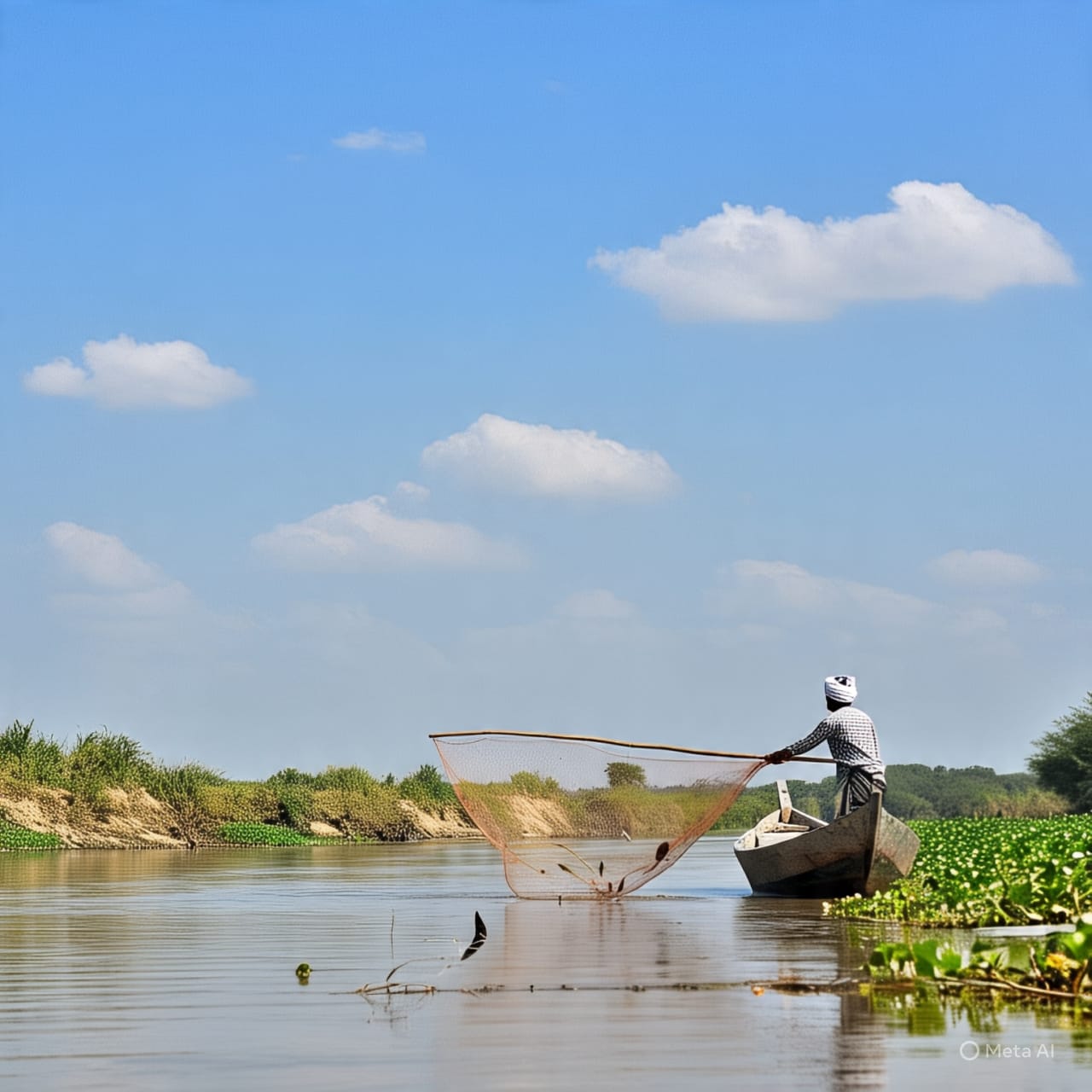
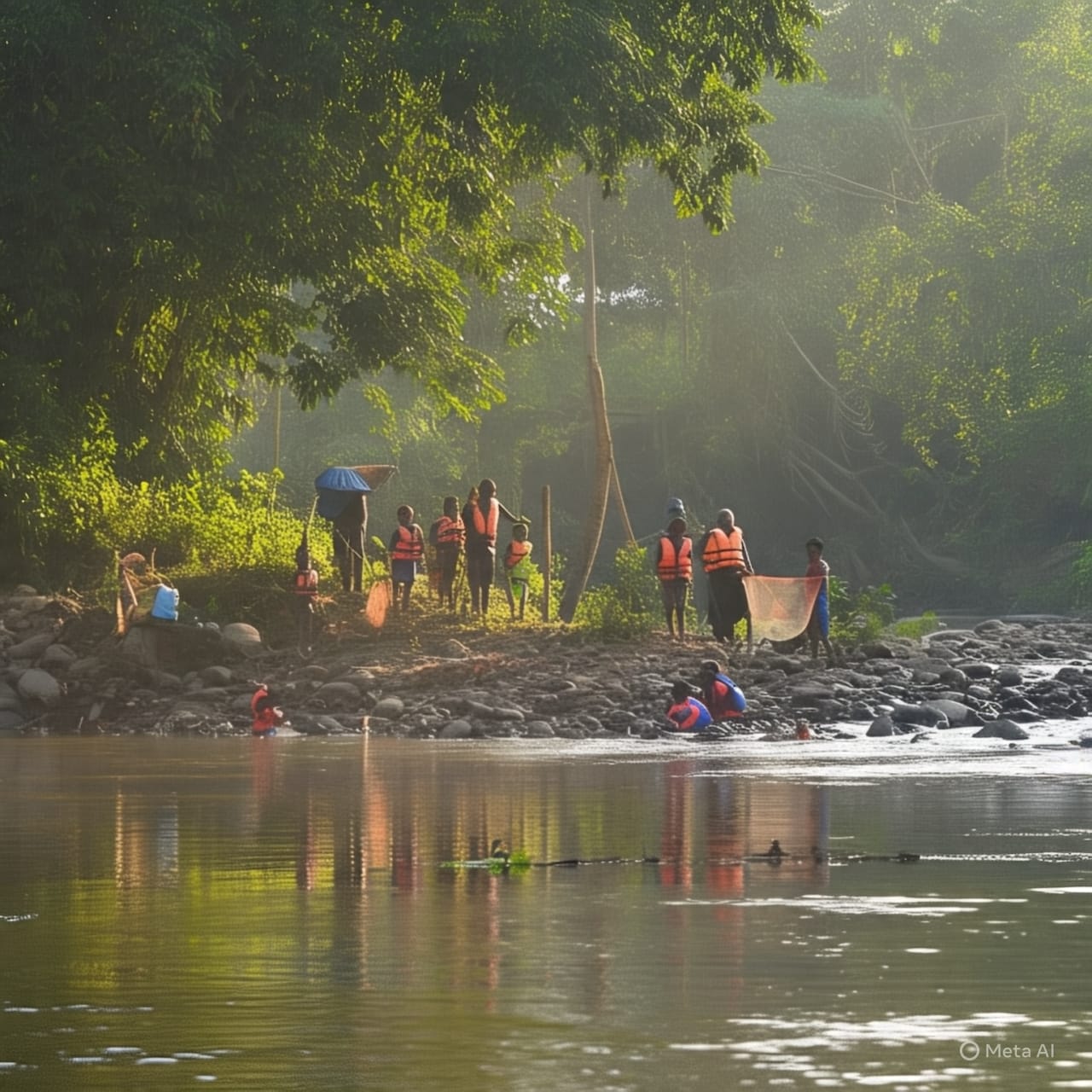
Recognizing the inextricable link between ecological health and local livelihoods, Kamal Kanti Banik launched Dishari, a community-based organization dedicated to restoring the freshwater biodiversity of the Muhuri River through active involvement of local fishing communities. Dishari began by enrolling fishermen as members and initiating widespread awareness campaigns about sustainable fishing practices and ecological preservation. Community members were encouraged to identify breeding zones and enforce no-fishing periods during breeding months. To reduce pressure on wild fish populations, Dishari established fish breeding ponds for commercially valuable, non-endangered species and provided training, fingerlings, and feed to fishermen. Simultaneously, the organization initiated captive breeding programs for endangered native species like the Ombok padma and reintroduced fingerlings into the river to accelerate repopulation. These efforts were supported by river cleanup drives and environmental restoration activities that improved habitat conditions. By demonstrating visible ecological improvements and offering viable economic alternatives, Dishari successfully aligned conservation goals with community interests.
Kamal Kanti Banik’s model of community-led fish conservation has shown that environmental sustainability and livelihood security can go hand in hand. Through Dishari, he transformed the relationship between the fishing community and the river, shifting the paradigm from exploitation to stewardship. The revival of native fish populations in the Muhuri River stands as a testament to the power of local engagement, education, and regenerative practices. Kamal’s approach offers a scalable blueprint for riverine fish conservation that can be replicated across other biodiversity hotspots in India and beyond.