Address: South Tripura
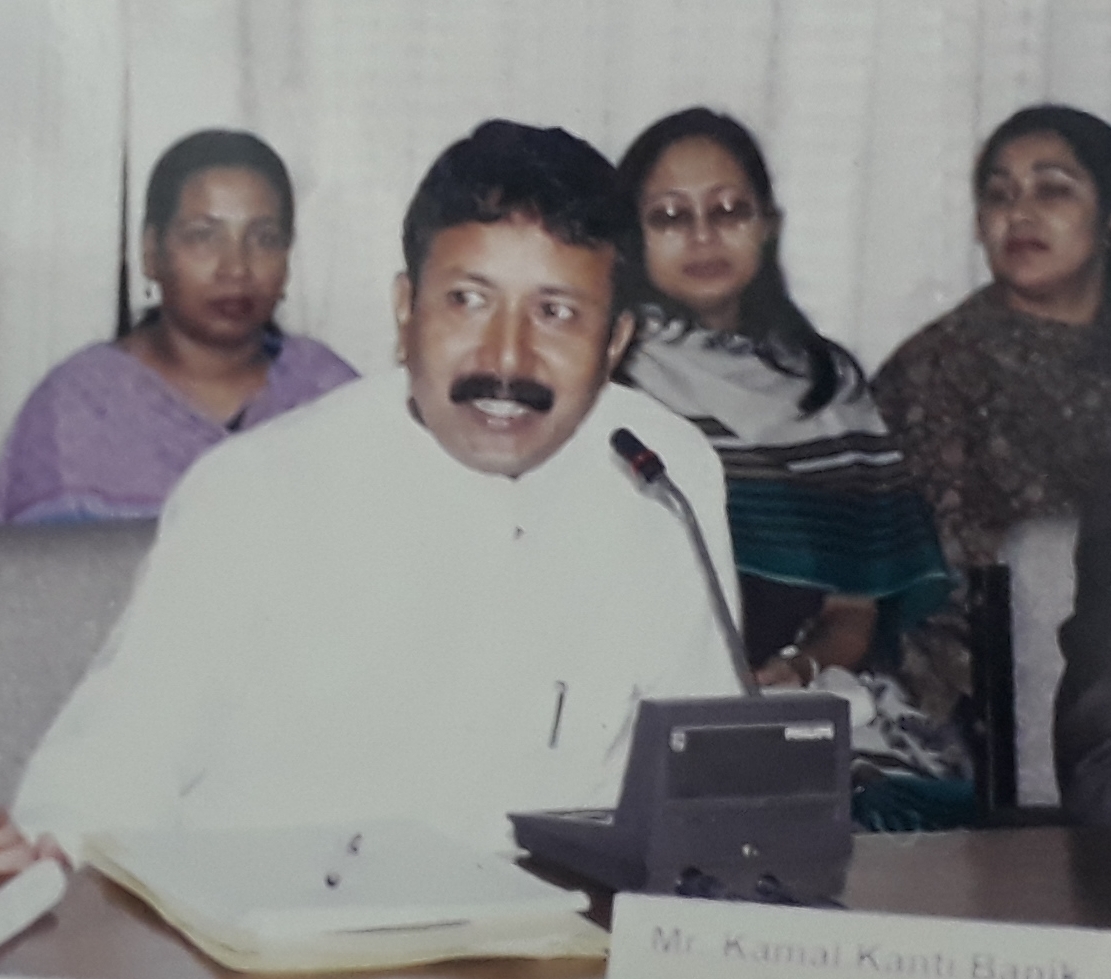
At the heart of Mr. Kamal Kanti Banik’s legacy is a vision of grassroots empowerment through sustainability, shaped not by institutional frameworks alone, but by the lived realities of marginalized communities. His work embodies a philosophy that true development must be inclusive, participatory, and ecologically rooted.
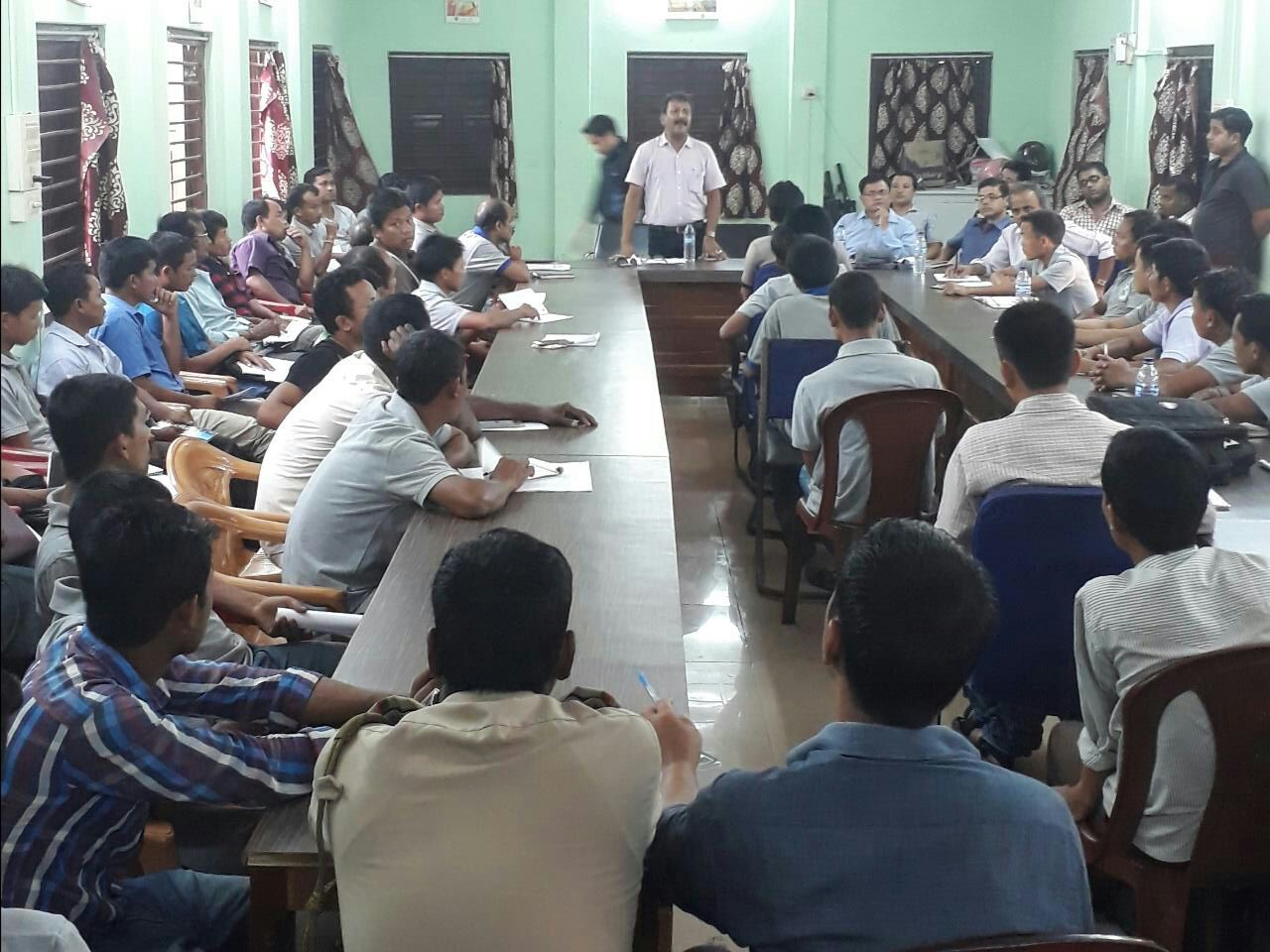
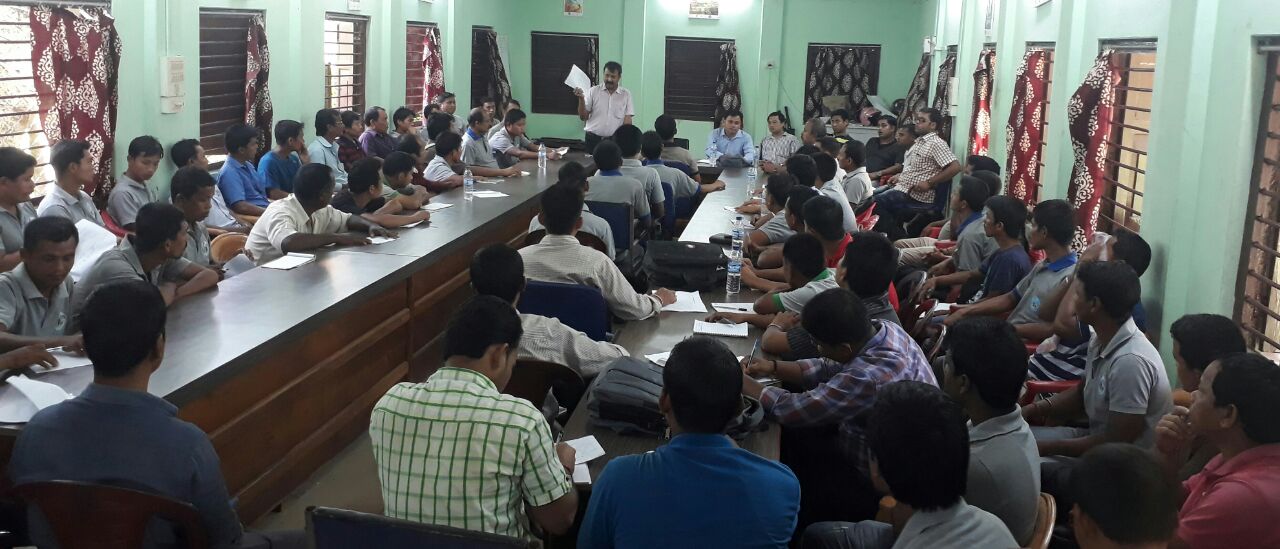
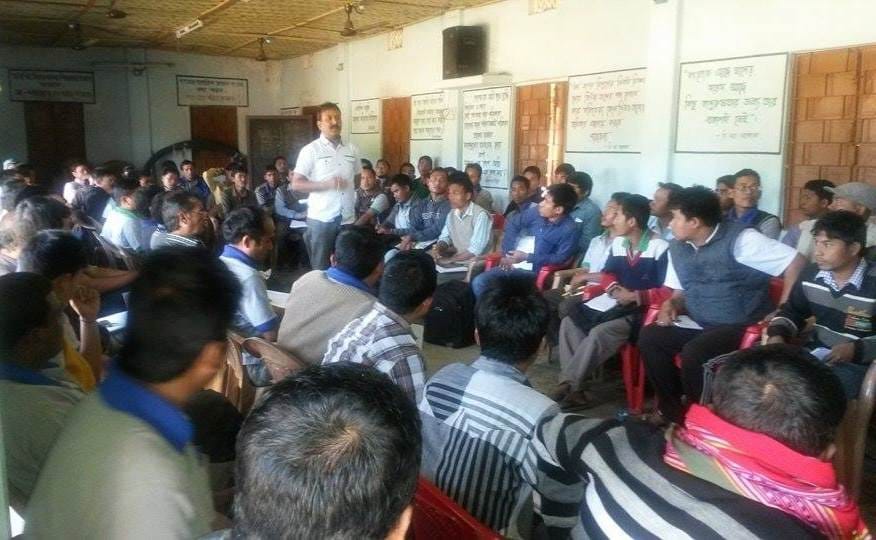
From the early days of Rupayan, which he co-founded in 1985, Banik emphasized community-first thinking — mobilizing rural populations to voice their needs, understand environmental threats, and build localized solutions. With the establishment of Dishari in 1989, he turned this philosophy into action, creating a platform that engaged tribal families, forest-dependent groups, and women-led households in initiatives spanning healthcare, environmental restoration, sanitation, alternative education, and green livelihoods.
One of the most profound impacts of Banik’s leadership has been his integration of livelihood creation with natural resource management. He understood early that conservation efforts must make economic sense to local stakeholders. Through strategic partnerships with agencies like the North East Development Finance Corporation (NEDFi), SIDBI, and Rashtriya Gramin Vikas Nidhi (RGVN), he introduced skill development and microcredit programs tailored to the unique ecology of the region. Women were trained in weaving, herbal product development, food preservation, and sustainable farming practices—initiatives that not only generated income but also built environmental stewardship.
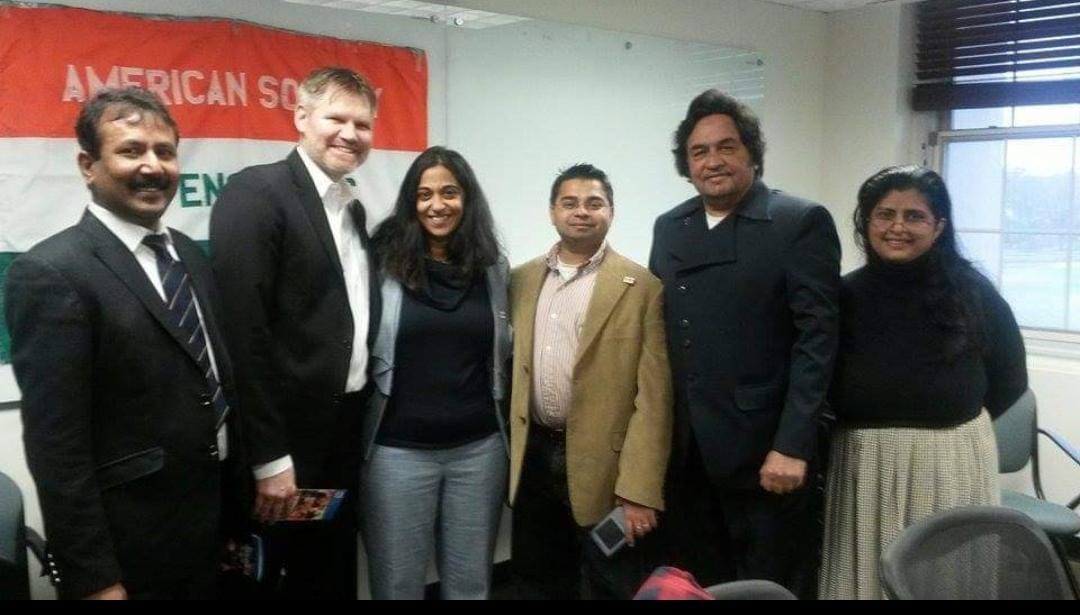
Under his direction, Dishari became a trusted implementing partner for national ministries and international agencies. Programs funded by the Ministry of Environment and Forests, Department of Science and Technology, and Department of Textiles allowed him to bring technical expertise into rural areas, connecting traditional knowledge with modern tools. For instance, by using indigenous plant knowledge in forest-based enterprise programs, he created eco-friendly micro-industries that respected both cultural heritage and biodiversity.
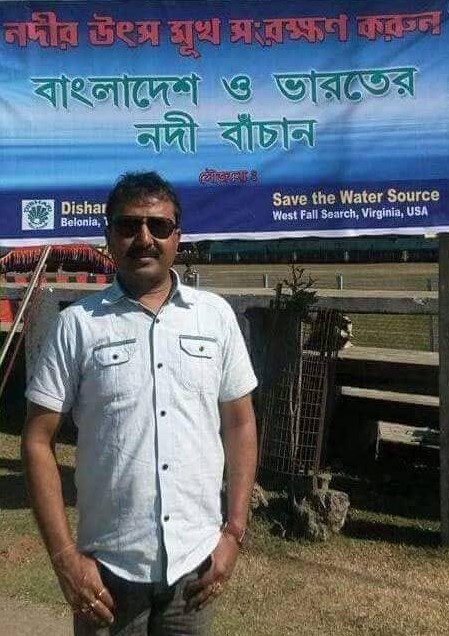
In parallel, Banik’s social impact extended into public health and education. Working with organizations like UNICEF, Voluntary Health Association of Tripura, and District Blindness Control Society, he introduced mobile health camps, adolescent reproductive health education, and early childhood nutrition drives in remote tribal belts. Education-focused initiatives with the Department of Education targeted dropout children and out-of-school youth, ensuring continuity in learning through informal, community-led schooling.
A defining aspect of Banik’s leadership is his scientific rigor and evidence-based approach to social transformation. As a Principal Investigator in biodiversity studies with global organizations such as the Royal Society for the Protection of Birds (RSBP, UK), Japan International Cooperation Agency (JICA), and the Tripura Biodiversity Board, he led long-term ecological assessments and species conservation programs. His work on endangered species like the White Rumped Vulture and his role in the Indian Bird Conservation Network (IBCN) showcased his ability to blend field science with policy advocacy.
A defining aspect of Banik’s leadership is his scientific rigor and evidence-based approach to social transformation. As a Principal Investigator in biodiversity studies with global organizations such as the Royal Society for the Protection of Birds (RSBP, UK), Japan International Cooperation Agency (JICA), and the Tripura Biodiversity Board, he led long-term ecological assessments and species conservation programs. His work on endangered species like the White Rumped Vulture and his role in the Indian Bird Conservation Network (IBCN) showcased his ability to blend field science with policy advocacy.
Crucially, Banik also served in leadership roles that connected the academic, administrative, and field ecosystems. He sat on core committees of the National Bureau of Fish Genetic Resources, coordinated with the North East Hill University (NEHU) on community-based forest management, and acted as co-guide for wildlife research at AVC College, under Bharathidasan University. These interdisciplinary roles reflect a broader leadership ethos — one that sees social, ecological, and institutional systems as interconnected.
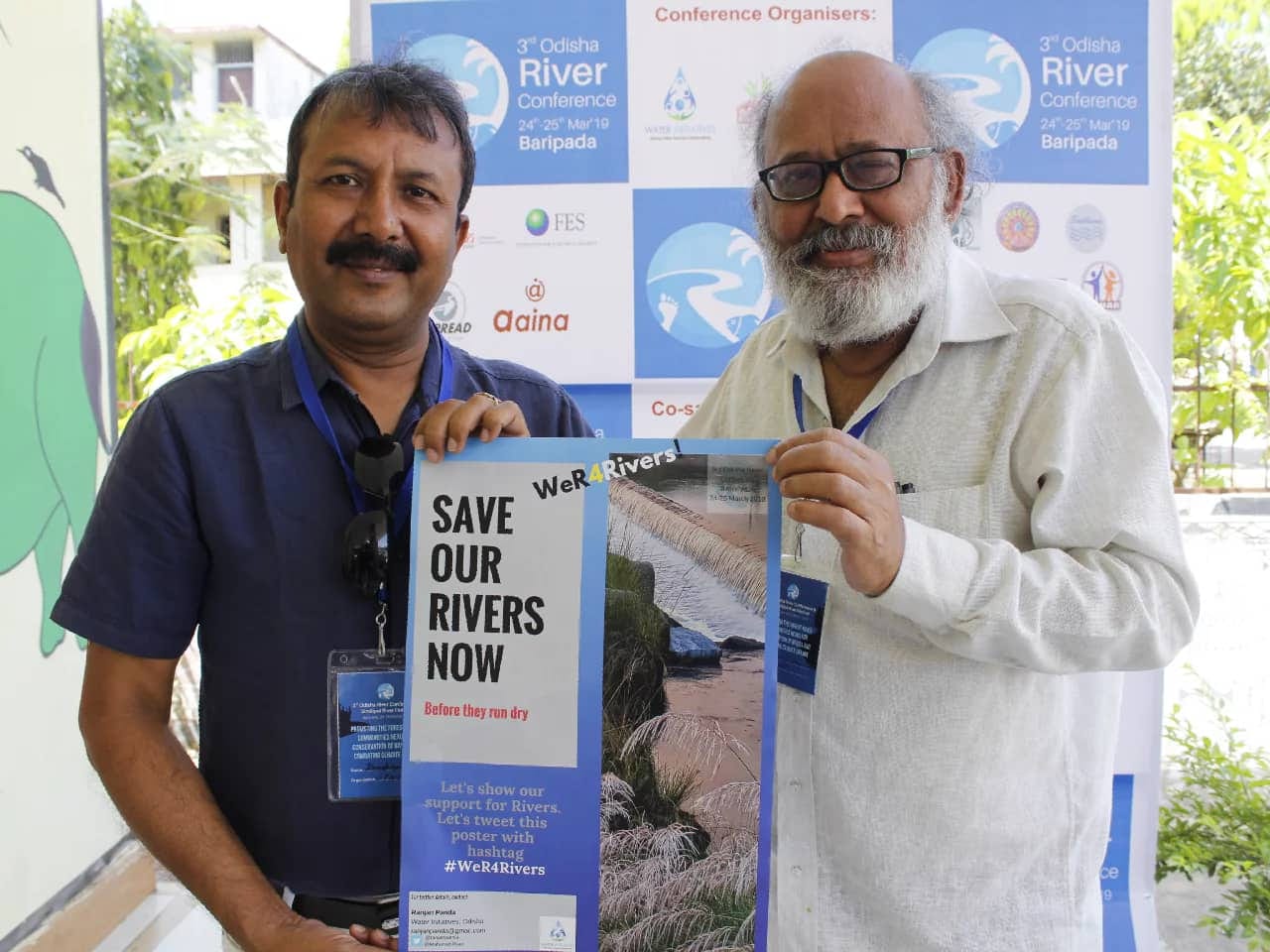
Banik's recognition as an Ashoka Fellow in 2007 placed him in an elite global network of social entrepreneurs whose work has systemic impact. As a GAP Changemaker, he continues to mentor emerging leaders in sustainable development. His ability to scale ideas — from a local pilot in Tripura to a transnational non-profit like Save the Water Sources (USA) — reflects visionary leadership that is both grounded and globally aware.
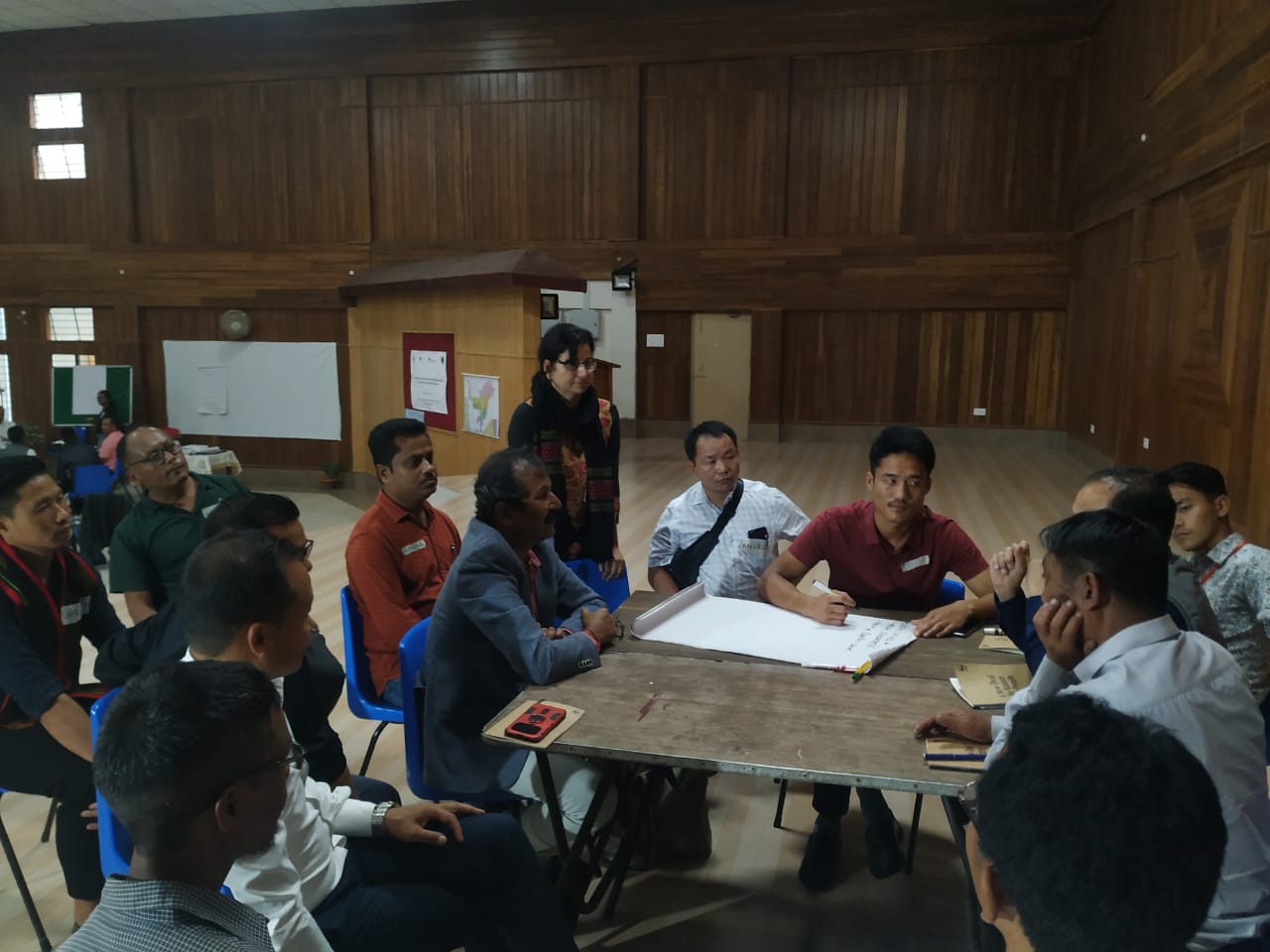
Today, Banik’s impact can be seen in regenerated forests, sustainable women-led enterprises, thriving rural schools, and community-based wildlife conservation zones. His leadership is not just about running projects — it is about creating replicable models of inclusive, sustainable change.
🔍Extended Explanation of Terms and Institutions
🔹 National Bureau of Fish Genetic Resources (NBFGR)
A research institution under the Indian Council of Agricultural Research (ICAR), responsible for the conservation of fish genetic diversity and the development of strategies to manage aquatic ecosystems. Banik’s collaboration focused on the community dimension of aquatic conservation.
🔹 Tripura Biodiversity Board (TBB)
A state-level statutory body responsible for preserving the rich ecological diversity of Tripura. With JICA support, Banik led inventorization and documentation projects of birds and mammals.
🔹 Japan International Cooperation Agency (JICA)
A government agency of Japan that provides technical cooperation and funding for socio-economic development. JICA supported Banik’s biodiversity field research and conservation projects.
🔹 Voluntary Health Association of Tripura
A health-focused non-profit that partnered with Banik for interventions in adolescent and maternal health, promoting alternative and community-based health practices in rural areas.
🔹 District Blindness Control Society (NPCB Program)
A district-level body under the National Program for Control of Blindness. Banik collaborated with them to conduct eye screening camps and awareness drives in underserved areas.
🔹 SIDBI, RGVN, NEDFi
These financial institutions play a pivotal role in microenterprise and rural development. Their collaborations with Banik enabled financial inclusion and entrepreneurship at the grassroots.
🔹 Indian Bird Conservation Network (IBCN)
A nationwide network of birdwatchers, researchers, and conservationists, supported by BNHS. As a State Coordinator, Banik facilitated surveys, awareness campaigns, and conservation action in Tripura.
🔹 Royal Society for the Protection of Birds (RSBP, UK)
A leading conservation NGO in the United Kingdom that funded Banik’s vulture conservation and bird habitat studies — recognizing his capacity to conduct scientific, community-integrated field research.
🔹 AVC College (Autonomous), Bharathidasan University
An academic institution where Banik served as a co-guide for a master’s thesis on Hoolock Gibbon, merging academic study with real-world ecological fieldwork.
Contact us