Address: South Tripura
Leading Multi-Sector Initiatives with Global and Local Impact
Mr. Kamal Kanti Banik has led, co-designed, and contributed to multi-dimensional development programs over the last three decades. His expertise in project and program management lies in seamlessly aligning community needs with institutional mandates, mobilizing local participation, and ensuring measurable outcomes in areas such as environment, health, sanitation, education, and livelihood development.
He has worked with international donors, Indian government ministries, research bodies, and grassroots collectives, managing everything from pilot projects to state-wide implementation programs. His experience also includes exposure visits, field research, policy formulation, and skill development planning.
🔹 Environmental Sustainability and Natural Resource Management
Mr. Banik played a central role in projects funded by the Ministry of Environment and Forests, focusing on afforestation, community forestry, and conservation of biodiversity. Under the Indo-German Development Cooperation project in Tripura, he worked with the Natural Resource Management Society of Tripura (NRMST) to implement participatory forest conservation models.
He was also the Core Committee Member and Principal Investigator for biodiversity documentation initiatives funded by the Japan International Cooperation Agency (JICA) and Tripura Biodiversity Board, managing field studies and species monitoring, especially of birds and mammals.
In collaboration with ATREE (Ashoka Trust for Research in Ecology and the Environment), supported by the Ford Foundation, Mr. Banik led a skill-linked livelihood program integrating natural resource management with conservation education in rural areas.
🔹 Livelihood Promotion and Skill Development
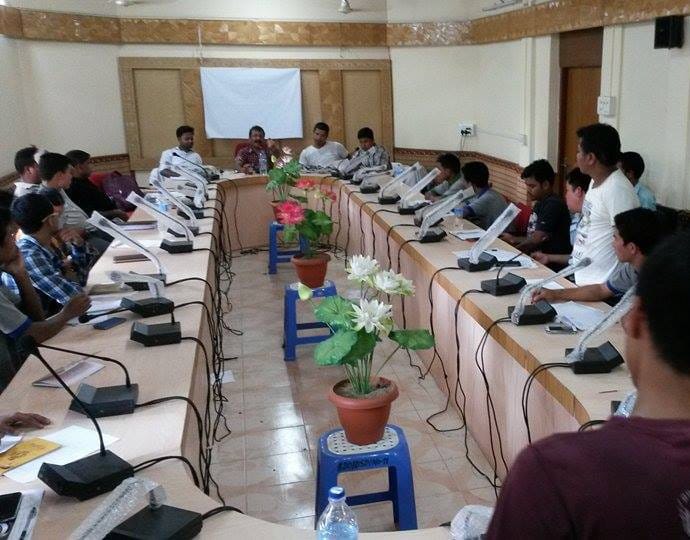
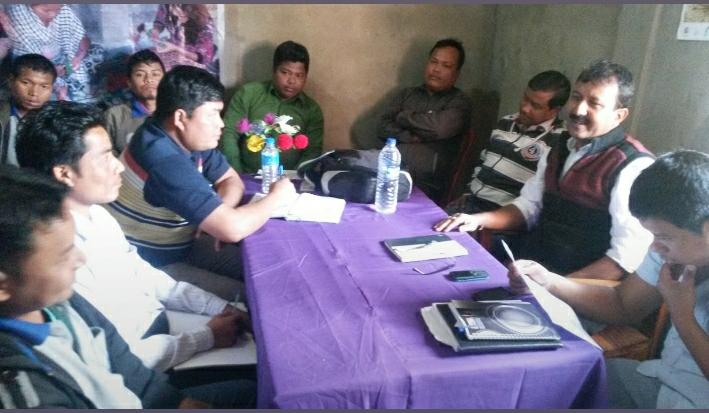
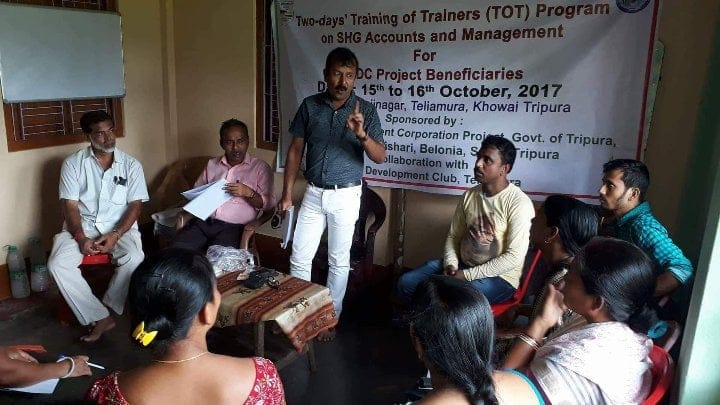
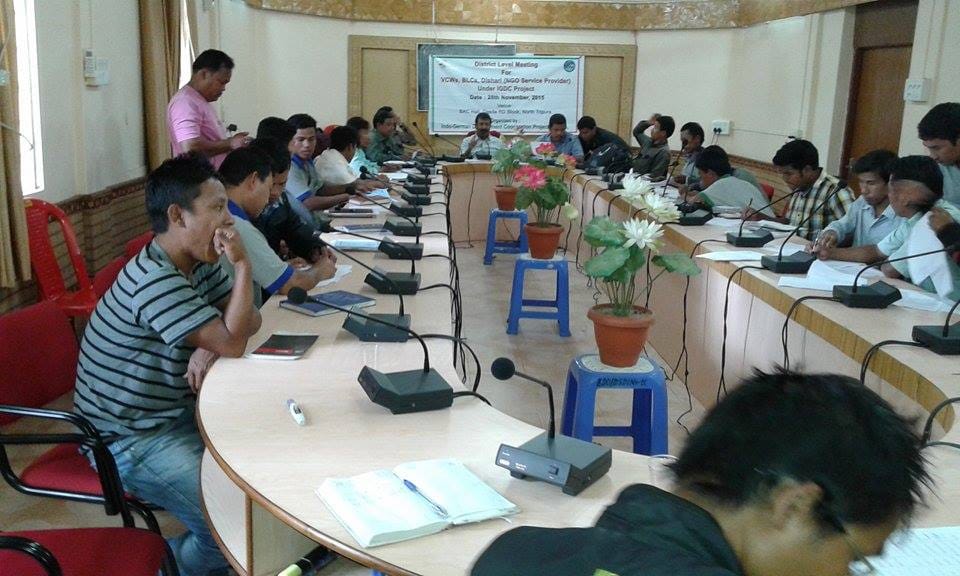
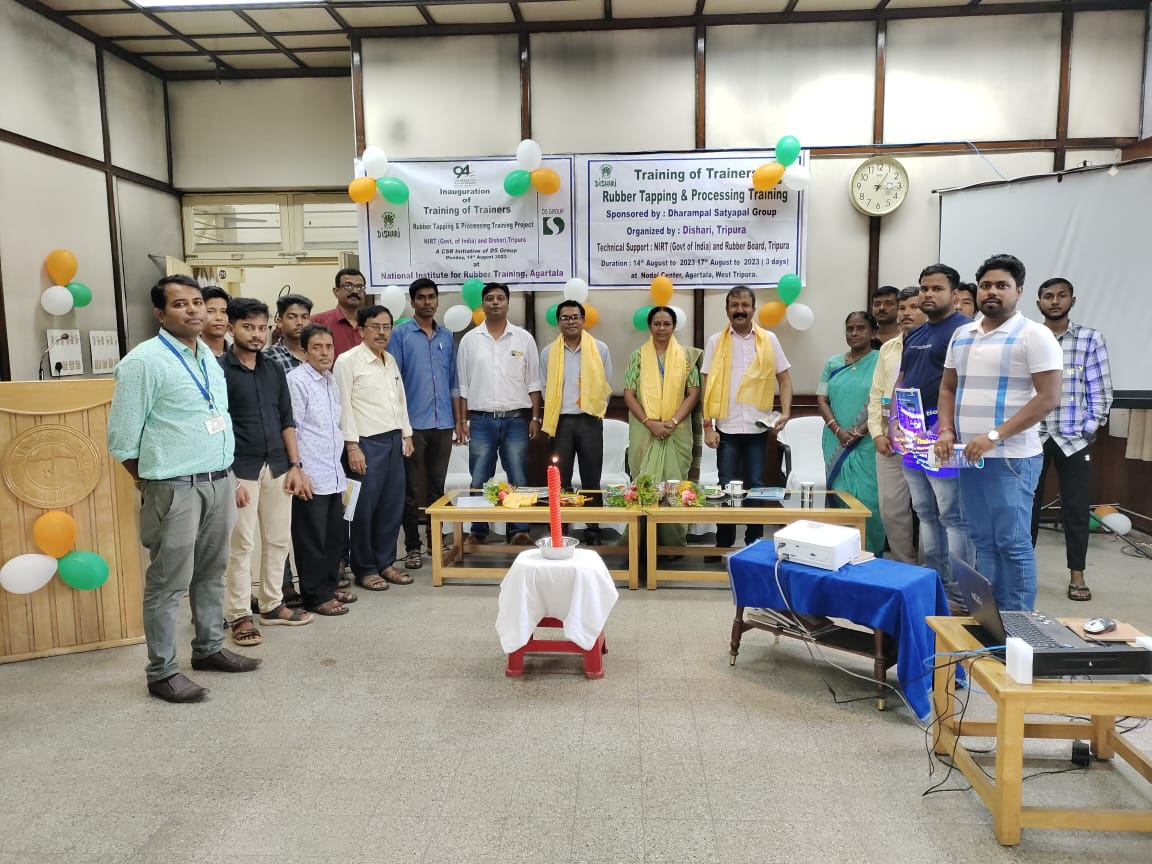
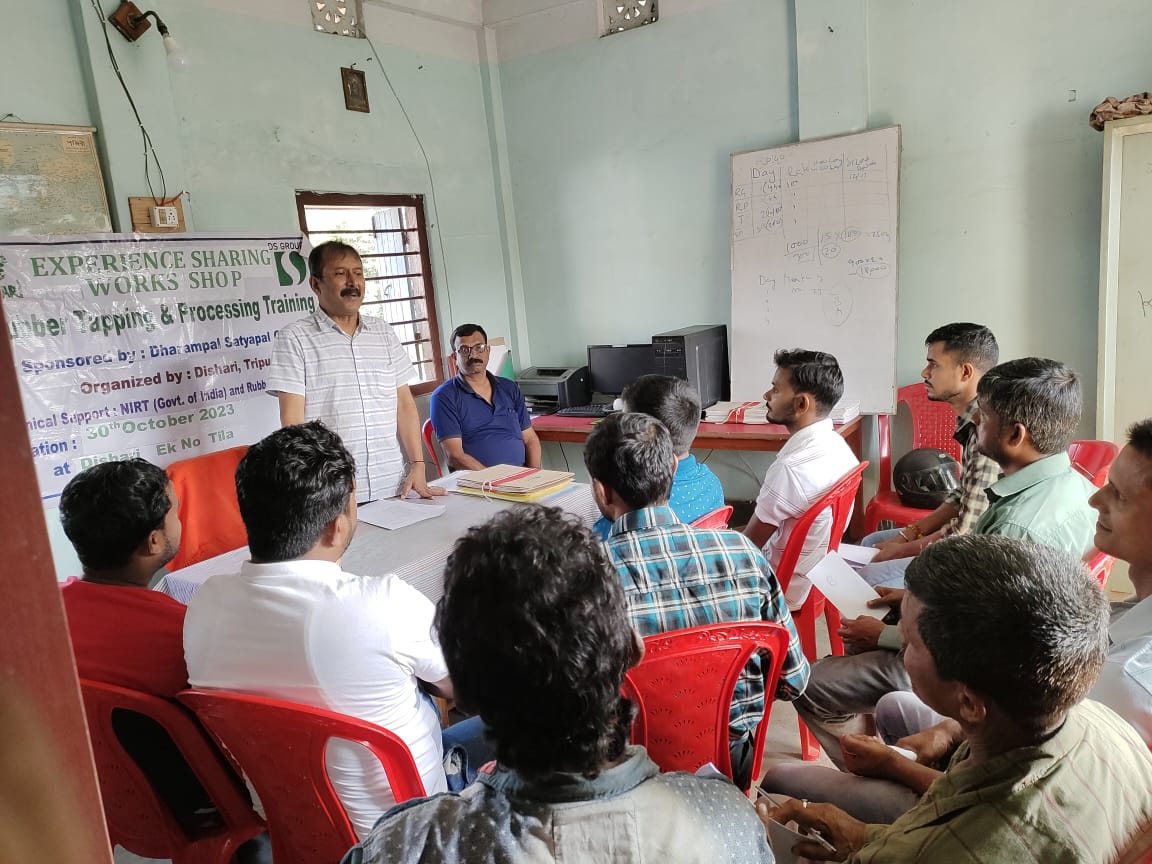
Recognizing the link between poverty and environmental degradation, Mr. Banik has implemented livelihood-focused interventions across Tripura and Northeast India. Through Dishari NGO, he led training and entrepreneurship programs for rural women and tribal youth. His project partners include:
- NEDFi (North Eastern Development Finance Corporation Ltd.) – provided credit and financial support for micro-entrepreneurship.
- SIDBI (Small Industries Development Bank of India) – supported self-help groups (SHGs) for enterprise creation.
- RGVN (Rashtriya Gramin Vikash Nidhi) – promoted livelihood through credit support and financial literacy.
- Reach India and USHA – focused on skill development in tailoring and micro-enterprises.
- DS Group – collaborated on integrated health and livelihood programs.
Through these initiatives, Mr. Banik has empowered thousands of rural beneficiaries, particularly women, with income-generating skills that are environmentally sustainable.
🔹 Water, Sanitation, and Health Programs
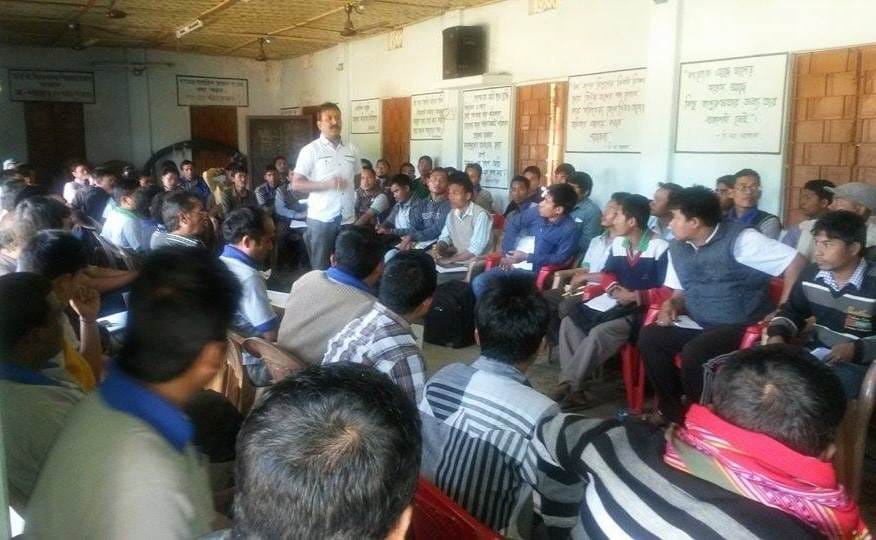
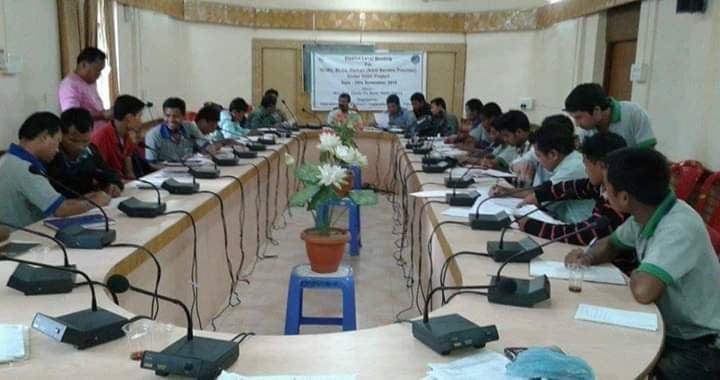
In partnership with UNICEF, Mr. Banik supported hygiene and Total Sanitation Campaigns in remote areas of Tripura, promoting awareness, infrastructure, and community ownership of clean water systems and toilets. His project management included stakeholder mapping, behavioral change communication (BCC), and capacity building of local volunteers.
He collaborated with the District Blindness Control Society on eye health programs, ensuring access to diagnostics and surgeries in underserved areas. Additionally, he partnered with the Voluntary Health Association of Tripura (VHAT) to implement reproductive health, child nutrition, and adolescent wellness programs, including alternative medicine awareness.
🔹 Education and Child Welfare
Mr. Banik’s work with the Department of Education, Government of Tripura, aimed to identify and reintegrate school dropouts and unenrolled children, especially in tribal belts. These programs emphasized inclusive education, counseling, and vocational alternatives.
He also worked with UNDP on a natural resource management project that integrated environmental education into school-level learning, thereby building ecological literacy among children.
🔹 Technology and Irrigation Development
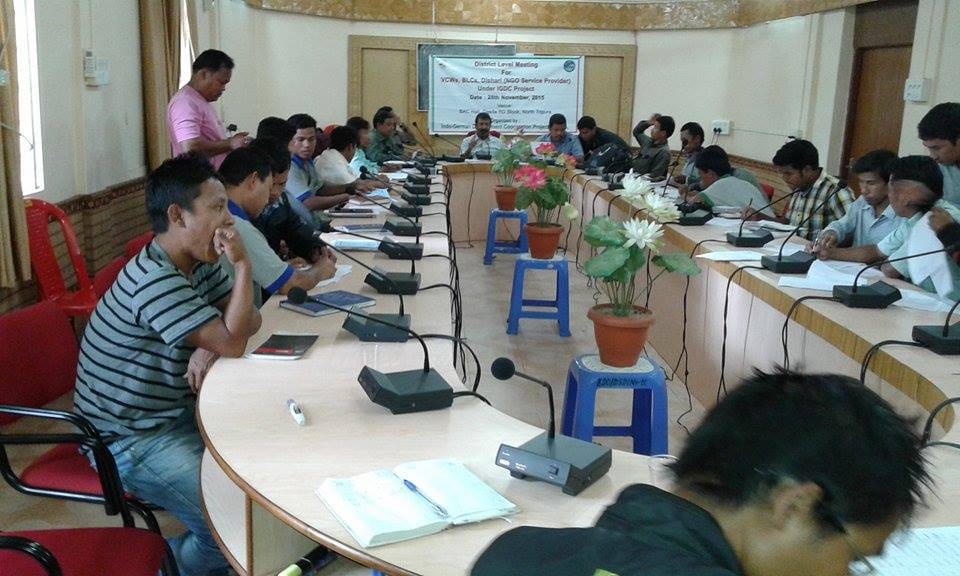
With support from AFPRO (Action for Food Production) and funded by Sir Dorabji Tata Trust (SDTT), Mr. Banik introduced diversified irrigation technologies such as drip and sprinkler systems. These technologies not only improved agricultural productivity but also addressed water conservation in drought-prone areas.
🔹 Fisheries and Biodiversity Conservation
Banik collaborated with the National Bureau of Fish Genetic Resources (NBFGR) on regional studies to preserve native fish species and genetic biodiversity. His exposure at Grameen Bank, Dhaka, also helped shape community-based fishery models. These models linked sustainable fishery practices with income generation, particularly among riverine and tribal communities.
🔹 Research Partnerships and Knowledge Dissemination
As Principal Investigator and State Coordinator for multiple biodiversity and wildlife studies, Mr. Banik worked with international organizations like the Royal Society for the Protection of Birds (RSBP), UK and the Indian Bird Conservation Network (IBCN). These programs contributed to national conservation policies and local eco-tourism models. He also guided university dissertations and partnered with institutions like the College of Fisheries (Central Agricultural University) and North East Hill University (NEHU) on long-term environmental studies.
✅ Summary
From field-level implementation to policy-level advocacy, Mr. Kamal Kanti Banik has demonstrated exceptional capacity in project design, stakeholder coordination, monitoring & evaluation, and resource mobilization. His work stands as a model for integrated development—where nature, community, and enterprise progress hand in hand.
Contact us