Address: South Tripura
Health and social welfare have always been central to Mr. Kamal Kanti Banik’s developmental mission. His initiatives in this space go beyond clinical care—they emphasize awareness, prevention, and accessibility for the most vulnerable communities, particularly in rural and tribal regions of Tripura. Through collaborations with international organizations, state departments, and civil society, Mr. Banik has addressed critical issues like sanitation, adolescent health, eye care, and traditional wellness practices.
Promoting Hygiene and Sanitation with UNICEF
In partnership with UNICEF (United Nations International Children’s Emergency Fund), Mr. Banik led programs focused on improving hygiene and sanitation in underserved areas. These campaigns, based on the Community-Led Total Sanitation (CLTS) model, empowered rural communities to eliminate open defecation and adopt safe hygiene practices such as handwashing, menstrual hygiene management, and safe water storage.
Why it matters: These programs significantly reduced health risks and waterborne diseases, especially among women and children, by fostering a culture of cleanliness and health responsibility within the community.
Adolescent and Women’s Health Initiatives
Collaborating with the Voluntary Health Association of Tripura (VHAT), Mr. Banik implemented targeted programs to educate adolescents and women on reproductive health, nutrition, mental well-being, and natural healthcare options. These sessions also offered support for menstrual health and created safe spaces for dialogue around sensitive health topics.
Why it matters: In regions where healthcare access is limited and gender-based disparities persist, these initiatives played a pivotal role in empowering women and girls with the knowledge to make informed health choices.
Eye Health and Preventive Vision Care
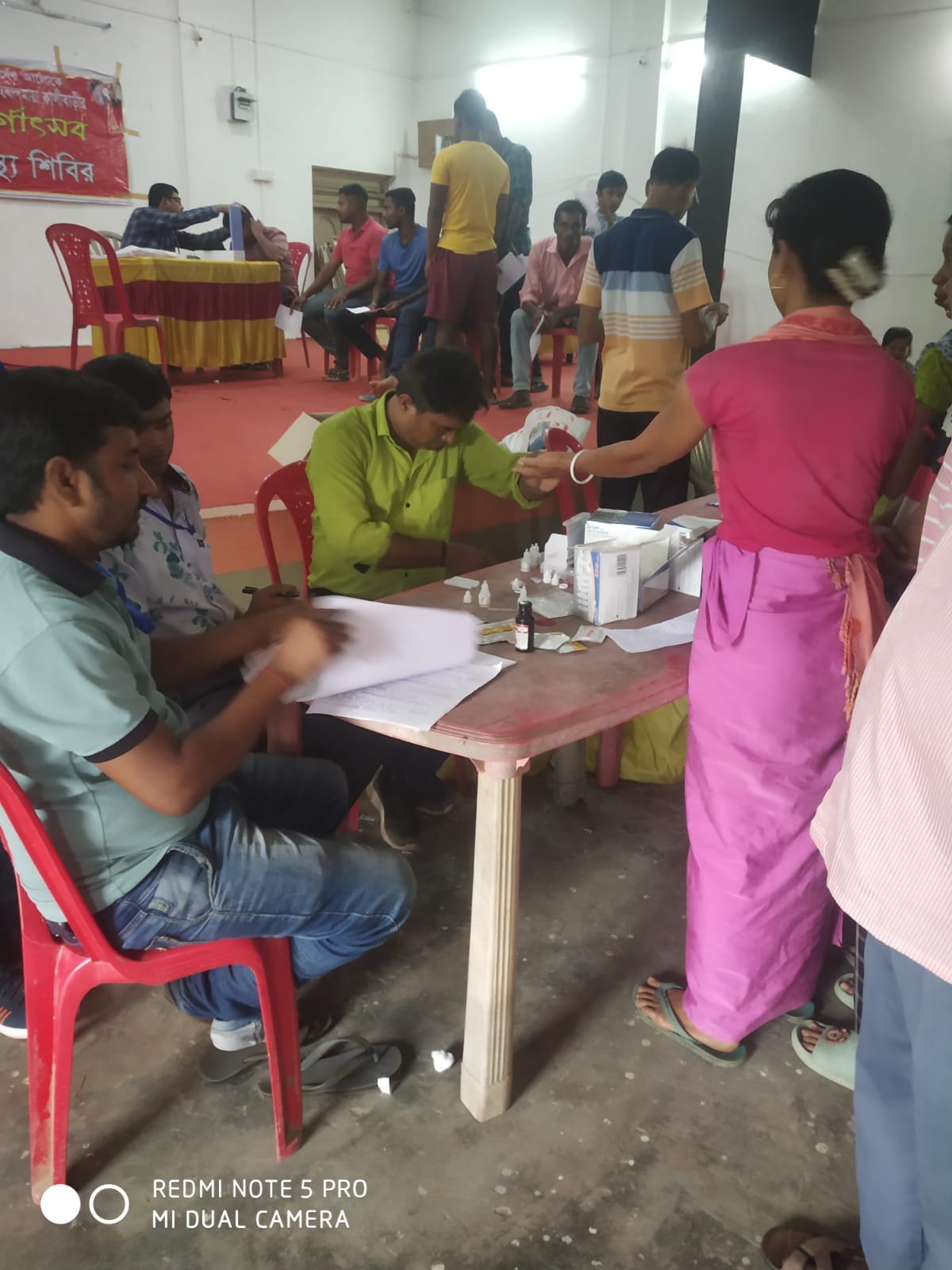
Under the District Blindness Control Society, Mr. Banik facilitated large-scale community programs that included vision screening camps, awareness drives, and free cataract surgeries. This initiative aligned with the National Programme for Control of Blindness (NPCB), aiming to eliminate avoidable blindness through early diagnosis and intervention.
Why it matters: For many in remote Tripura, basic eye care was out of reach. These efforts helped restore sight, dignity, and productivity for countless individuals, particularly the elderly.
Health Education for Out-of-School Children
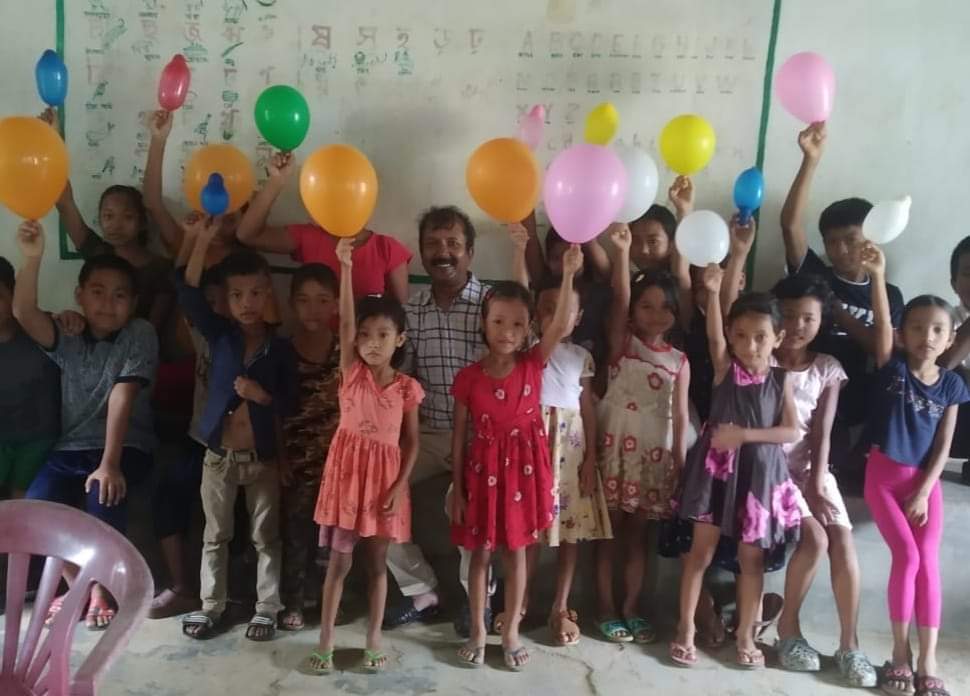
Recognizing the link between education and well-being, Mr. Banik worked with the Department of Education, Tripura, to address the needs of school dropouts and unenrolled children. His team organized health awareness sessions on hygiene, nutrition, and personal care, ensuring that these children received the foundational knowledge often missed outside formal schooling.
Why it matters: These programs bridged the gap between healthcare and education, laying the groundwork for healthier, more informed future generations.
Advocacy for Natural and Traditional Health Practices
Mr. Banik has long championed the integration of traditional knowledge systems—such as Ayurveda and herbal medicine—into mainstream health discourse. He has raised early alarms about health hazards caused by toxic chemicals in processed foods and pharmaceuticals. His 2006 research article, published in the Indian Journal of Environmental Protection, titled “Pharmaceuticals in Drinking Water: A Future Water Quality Threat,” remains a vital resource highlighting overlooked risks to public health.
Why it matters: This approach underlines the importance of combining ancestral wisdom with scientific research to create sustainable and culturally relevant healthcare models.
Corporate Partnerships for Integrated Welfare
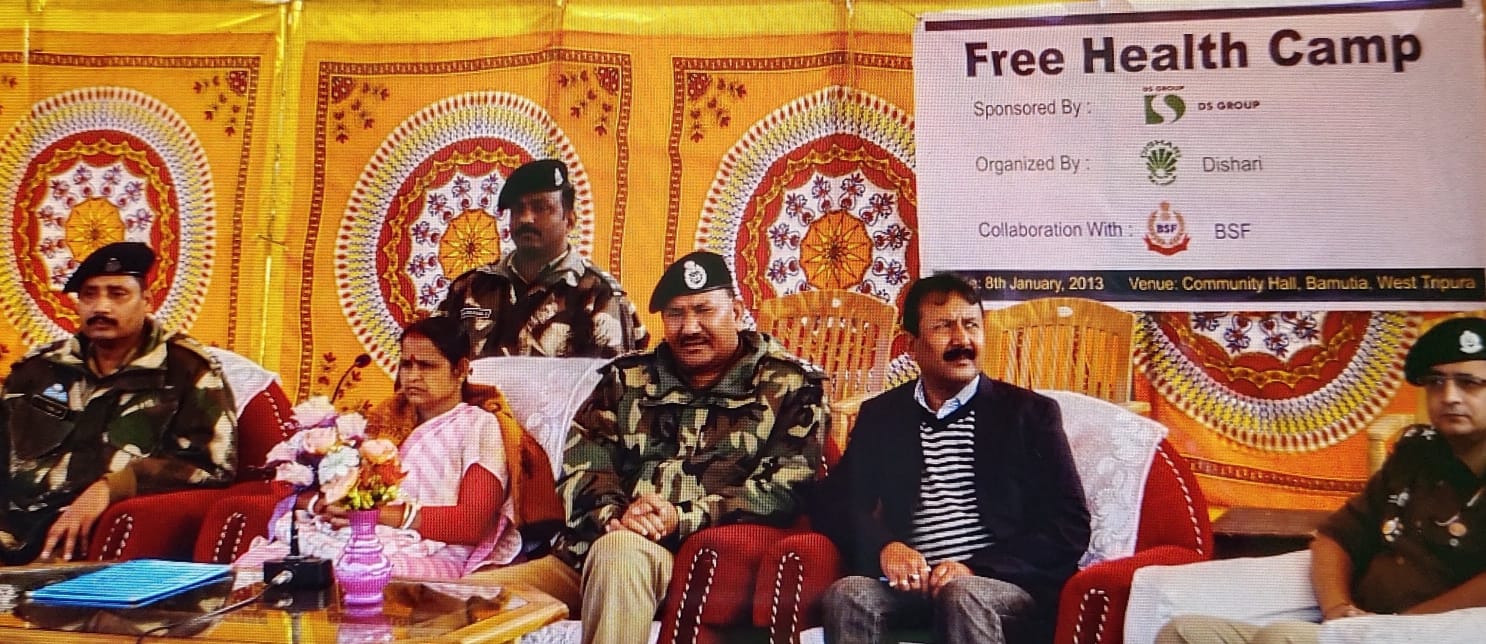
Through CSR (Corporate Social Responsibility) collaborations, such as with the DS Group, Mr. Banik spearheaded health and livelihood promotion programs. These initiatives offered training in health-supportive vocations and provided access to healthcare services within self-help group (SHG) networks, primarily targeting women and marginalized workers.
Why it matters: The programs not only improved health outcomes but also generated income opportunities, ensuring both physical well-being and economic resilience for participants.
Partner Institutions at a Glance
| Sl No | Partner Organization | Role in Health & Social Welfare |
|---|---|---|
| 1 | UNICEF | Supported hygiene and sanitation awareness campaigns in remote communities |
| 2 | Voluntary Health Association of Tripura (VHAT) | Implemented reproductive and adolescent health programs |
| 3 | District Blindness Control Society | Delivered preventive eye care services, including surgeries and screenings |
| 4 | Department of Education, Tripura | Supported health education for school dropouts and marginalized children |
| 5 | DS Group (CSR Initiative) | Integrated health and livelihood promotion for women and rural communities |
| 6 | Indian Journal of Environmental Protection | Platform for Banik’s published research on pharmaceutical pollutants in water supplies |
Conclusion
Mr. Kamal Kanti Banik’s work in health and social welfare reflects a deep, compassionate understanding of the complex factors that influence public health in marginalized communities. His efforts have empowered individuals not just to survive, but to thrive—through clean water, safe sanitation, education, healthcare access, and dignified livelihoods. By blending innovation, traditional knowledge, and grassroots leadership, he continues to inspire a holistic vision of health equity across India.
Contact us